article

Replacing Your Kitchen Range
By Bluehammer Admin

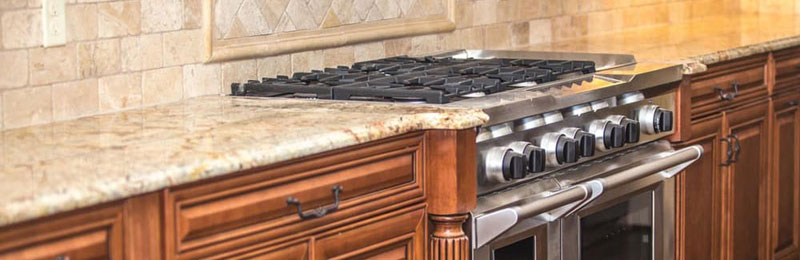
With both an oven and a cooktop, the range is the centerpiece for cooking in the Kitchen. The following are some helpful tips when it comes time to replace your range.

Cost Factors of Replacing Your Range

The biggest factor in the project cost of replacing your kitchen range is the cost of the appliance itself. Ranges come in all types, sizes and features from economy to designer. Below are the main cost factors in the project of replacing your range.

  • Removal of the old range
  • Purchase, delivery and installation of the new range
  • Replacing gas lines (if applicable) and the material costs
  • Hauling away and disposing of the old range

Built-in versus Free Standing Ranges

Ranges come in a variety of sizes and options. Free standing ranges slide into the space provided and are the most common and are easier to replace. Built-in ranges blend in with the finish of the countertops and cabinets and cost more to replace. A similar quality built-in range can be as much as double the price to purchase and install as the free standing variety. Both styles come in both gas and electric varieties and multiple burner options.

Removing Your Old Free Standing Range

Follow the steps below to remove your existing range. For built-in ranges, the configuration will determine the additional removal steps. Unless you are an advanced DIYer, it's good to hire a professional to make sure you don't damage your existing counter or cabinets.

  • Turn off the gas if needed and unplug your rangeAlways make sure you have turned off the electricity and gas before removing an appliance.
  • Disconnect the gas line (if applicable) from the range
  • Slide out the applianceBe careful not to scratch the flooring when moving your appliance
  • Clean!Now is a great time to clean all the food particles that might have accumulated since your last cleaning.

Installing Your New Range

Follow the steps below to install your new range. If your new range slides into an area that has a pre-determined width, make sure you buy the correct size unless you plan on re-arranging your kitchen layout.

  • Pre-assemble the electrical cord to the range.Ranges usually do not come with their electrical cords so make sure you have bought one or can re-use the old one. Remove the electrical plate on the back of the range and make your connections.
  • Re-connect the gas line to the appliance if applicable and test the connection.Most ranges come ready for natural gas, if you have bottled gas make sure to follow the directions on the converter kit. It is recommended you hire a professional if this is the case.
  • Slide the range into place and make sure it is secure and level.
  • Plug in the range, turn on the gas if needed and test the operation.

Want to estimate your home improvement costs before talking with a contractor? Claim your home for free with bluehammer to estimate costs, secure your home inventory and learn more about your home.

* THIS REPORT IS AN OPINION THAT MAY BE INACCURATE AND IS PROVIDED SOLELY AS AN INFORMATIONAL TOOL NOT DESIGNED TO PROVIDE DEFINITIVE ANSWERS. ALL ELEMENTS ARE OFFERED "AS IS" AND BLUEBOOK EXPRESSLY DISCLAIM ANY AND ALL WARRANTIES, REPRESENTATIONS, AND GUARANTEES OF ANY NATURE, EXPRESS, IMPLIED OR OTHERWISE, INCLUDING BUT NOT LIMITED TO ANY IMPLIED WARRANTIES OF MERCHANTABLITILY, NONINFRINGEMENT, TITLE, QUIET ENJOYMENT, ACCURACY, OR FITNESS FOR A PARTICULAR PURPOSE. IN NO EVENT SHALL BLUEBOOK (OR THEIR SUPPLIERS) BE LIABLE FOR ANY GENERAL, DIRECT, SPECIAL, INCIDENTAL, INDIRECT OR CONSEQUENTIAL DAMAGES OF ANY KIND, OR ANY DAMAGES WHATSOEVER (INCLUDING WITHOUT LIMITATION, THOSE RESULTING FROM USE OF THE PRODUCT, INCLUDING : (1) RELIANCE ON THE MATERIALS PRESENTED, (2) COSTS OF REPLACEMENT GOODS, (3) LOSS OF USE, DATA OR PROFITS, (4) DELAYS OR BUSINESS INTERRUPTIONS, (5) AND ANY THEORY OF LIABILITY, ARISING OUT OF OR IN CONNECTION WITH THE USE OR PERFORMANCE OF INFORMATION) WHETHER OR NOT BLUEBOOK HAS BEEN ADVISED OF THE POSSIBILITY OF SUCH DAMAGES.

Know what you should pay for your home improvement projects with bluehammer.Claim your home. It's free!

Popular


How To Create Year-Round Home Curb Appeal

Exceptional curb appeal will add to the enjoyment and value of your property and home. Maintaining your curb appeal throughout each season may pose its challenges, but with these tips, you can ensure that your home and landscaping will look their very best throughout the year.

Maintaining Your Hot Water Heater

Water heaters generally have a lifespan of 8-12 years, but as with anything, the better care you take of it, the longer it will last. There are several easy "set it and forget it" tips that you can use with your water heater, like keeping the thermostat at 120 degrees, and always maintain two feet of clearance around the appliance. You can also conserve money on your gas bill by setting your heater to its "vacation" setting when leaving town. This will keep the pilot light going without heating the water.

8 Clever Ways To Zone Off Space In An Open Floor Plan

We've fallen for open-plan living in recent years. After all, not many of us have a formal room just for company anymore. And with modern building materials, we don't necessarily need every room to have four walls to keep it at a comfortable temperature. But although an open plan may bring the space, light, flow and garden views we desire, it can also feel problematic to organize into zones - and prove distracting to share. Enter the glass partition. It makes room division simple yet doesn't starve spaces of light or compromise the open feel. Decorative, at half or full height, framed or barely visible, a glass partition can work in every environment. Check out these designs.

Keeping Your Heating and Cooling Systems (HVAC) Running Great

Having your HVAC system checked yearly by a professional is good practice. You can also perform regular maintenance to help keep your heating and cooling system running its best.

A Guide to Home Insulation Materials

Insulation is one of those building products that you never see, because it is usually covered up by something else. But if you don't have enough, or if it is installed incorrectly, you're wasting energy and paying more for heating and cooling than is necessary.

Simple DIY Projects That Will Increase the Value of Your Home

Looking to boost the value of your home without spending hundreds of thousands of dollars? You can! Making changes in certain rooms, like the kitchen and bathroom, is more beneficial than in others. These simple DIY projects will help increase your home's value the most.

8 Great Tricks For Keeping Mosquitos Away

We all know about using bug spray. And citronella candles. But what about other ways to keep those pesky mosquitos away? As if they weren't annoying enough before, the threat of the Zika Virus has made mosquitos even more dangerous. So we've scoured the web for the best tricks for keeping the buggers away.

The First-Time Homebuyer's Guide To Grown-Up Furniture

You just bought your first home. Congratulations: You're an adult! Now it's time to fill it up. But if you were planning to pack up those ratty old beanbag chairs and the bed that awakens you with a morning backache and move them to your new place, we have a few suggestions. It's time for a grown-up upgrade. Here's where to start.

The Most Expensive and Most Affordable Maintenance Projects to Update Your Home

A functional and beautiful home is important for you and your family. When it comes to home improvements and maintenance projects, your budget is likely a major deciding factor when it comes to upgrades.

Building an Emergency Fund to Cover Unexpected Home Repairs

With homeownership comes new responsibilities, including repair and maintenance expenses. Sooner or later, you'll encounter a leaky faucet or a blown circuit breaker and quickly learn that keeping your household up and running is no longer as simple as a call to the landlord.

See More Articles