Replacing Your Water Heater
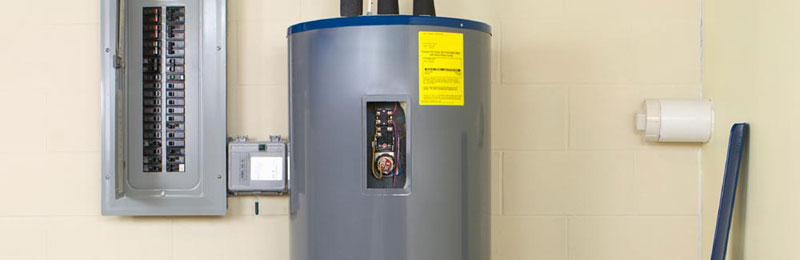
Hot water is a luxury we all take for granted until it goes cold. The following are some helpful tips when it comes time to replace your Water Heater.
Signs That You Need a New Water Heater
There are 2 major signs that you need to replace your water heater. One is that you have little to no hot water and the second is that there is a large puddle of water under your water heater. If that's the case read on!
Cost Factors in Replacing Your Water Heater
No doubt the biggest factor in the project cost of replacing your water heater is the cost of the appliance itself. However, unlike some other appliance replacements, labor is also a factor. Water heaters come in all types and sizes. Below are the main cost factors in the project of replacing your water heater.
- Removal of the old water heater
- Delivery and installation of the new water heater
- Re-routing of plumbing (if applicable) and the accompanying material costs
- Hauling away and disposing of the old water heater
Types of Water Heaters
Since most water heaters last between 9-12 years, choosing the right water heater is important from both a hot water and cost efficiency angle. Below are some of the most common types.
- Storage Tank Water HeaterThis the most popular water heater in use today. Water is stored and heated in the insulated tank by either an electric coil or gas.
- Tankless Water HeaterTankless water heaters heat the water as it passes through the coils heating it on demand. They come in both electric and gas varieties although the electric model might require you to upgrade your electrical panel due to the draw.
- Heat Pump Water HeaterHeat pumps use heat from the air to warm the water. These types of water heaters work better in warm environments and need extra space to function properly.
- Solar Water HeaterSolar water heaters are roof mounted and use solar energy to heat water in the tank.
Removing a Tank Water Heater
Since water heaters use higher voltage electricity or gas, it is recommended that you consult a professional plumber for removal or installation. Below steps to removing your existing tank water heater.
- Turn off your power, gas and waterDepending on whether you have an electric or gas water heater you will need to turn off the gas. You will also need to turn off your main water valve.
- Drain the old water heaterFirst open all the hot water faucets in the house. Then connect a garden hose to your water heater and open and drain the tank completely.
- Disconnect the plumbingThis will require either cutting of pipes or if it has connections simply unscrewing them.
- Disconnect the electricalIf your water is electric you will need to unscrew the electrical panel on the unit and disconnect the wiring.
- Remove the water heaterSome appliances are heavy so make sure you have help lifting and moving the water heater.
Installing a Tank Water Heater
Once again, since water heaters use higher voltage electricity or gas, it is recommended that you consult a professional plumber for removal or installation. Below steps for installing your existing tank water heater.
- Place your new water heaterPlace the water heater where it goes. If you live in a state that requires the water heater to be strapped, make sure to strap it in.
- Connect the plumbingIf you bought the same size water heater and it had connectors already then simply re-connect the plumbing. If you cut your pipes you will need to re-plumb the assembly.
- Connect the electricalIf your water heater is electric, connect the wiring making sure you connect the proper wires and that it is properly grounded.
- Fill the water heaterTurn your water back on and fill the water heater making sure your faucets are still open allowing any trapped air to escape. If your water heater is electric, make sure not to turn on the electricity until the tank is full. Once water has been flowing out of the faucets you can turn them off. At this time you can turn on the electricity if your appliance is electric.
Tank water heaters can get sediment build up that can reduce life span and performance. It is recommended to drain your water heater twice a year to remove the sediment increasing the life and performance of your water heater.
Want to estimate your home improvement costs before talking with a contractor? Claim your home for free with bluehammer to estimate costs, secure your home inventory and learn more about your home.
* THIS REPORT IS AN OPINION THAT MAY BE INACCURATE AND IS PROVIDED SOLELY AS AN INFORMATIONAL TOOL NOT DESIGNED TO PROVIDE DEFINITIVE ANSWERS. ALL ELEMENTS ARE OFFERED "AS IS" AND BLUEBOOK EXPRESSLY DISCLAIM ANY AND ALL WARRANTIES, REPRESENTATIONS, AND GUARANTEES OF ANY NATURE, EXPRESS, IMPLIED OR OTHERWISE, INCLUDING BUT NOT LIMITED TO ANY IMPLIED WARRANTIES OF MERCHANTABLITILY, NONINFRINGEMENT, TITLE, QUIET ENJOYMENT, ACCURACY, OR FITNESS FOR A PARTICULAR PURPOSE. IN NO EVENT SHALL BLUEBOOK (OR THEIR SUPPLIERS) BE LIABLE FOR ANY GENERAL, DIRECT, SPECIAL, INCIDENTAL, INDIRECT OR CONSEQUENTIAL DAMAGES OF ANY KIND, OR ANY DAMAGES WHATSOEVER (INCLUDING WITHOUT LIMITATION, THOSE RESULTING FROM USE OF THE PRODUCT, INCLUDING : (1) RELIANCE ON THE MATERIALS PRESENTED, (2) COSTS OF REPLACEMENT GOODS, (3) LOSS OF USE, DATA OR PROFITS, (4) DELAYS OR BUSINESS INTERRUPTIONS, (5) AND ANY THEORY OF LIABILITY, ARISING OUT OF OR IN CONNECTION WITH THE USE OR PERFORMANCE OF INFORMATION) WHETHER OR NOT BLUEBOOK HAS BEEN ADVISED OF THE POSSIBILITY OF SUCH DAMAGES.